
Add Row
Add Element
cropper
update


update
Add Element
  • Home
  • Categories
    • Real Estate
    • Influencer Corner
    • Startup News
    • Entrepreneurial Profiles
    • Small Business Resources
    • Daily Entrepreneurship News
    • Emerging Marketing Trends
    • Social Media Trends
Add Element
  • update
  • update
  • update
  • update
  • update
  • update
  • update
March 20.2025
2 Minutes Read

How Authentic Influencer Marketing is Reshaping Weight Loss Campaigns

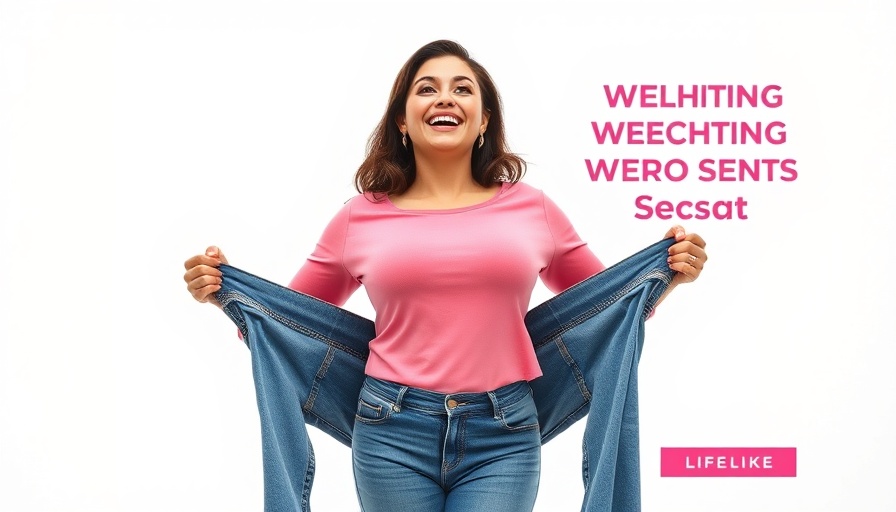
Weight loss influencer displaying large jeans in marketing campaign.

Revolutionizing Weight Loss: The Rise of Authentic Influencer Marketing

The weight loss industry is booming, with projections suggesting it could reach a staggering $360 billion by 2034. However, the way brands are engaging with their audiences is undergoing a significant transformation. Today, authenticity is key, and brands are moving away from showcasing unrealistic body images towards relatable, real-life wellness journeys. This shift is highlighted in the latest marketing campaigns from brands like Noom and Weight Watchers (WW).

Noom's Journey: Personalization Over Perfection

Noom has embraced influencer marketing by partnering with creators from diverse backgrounds, promoting stories that resonate deeply with audiences. Their recent campaign utilized AI insights from BENlabs, which led to engaging 90 small and mid-sized influencers. The outcome? An impressive 5.5 million content views and an uptick in customer lifetime value by 28.6%. This approach underscores a vital trend in health and wellness marketing - personalization and authenticity are winning hearts and converting audiences.

Weight Watchers' Personal Touch: The 'Fits You' Campaign

WW has also made waves with its innovative 'Fits You' campaign, focusing on personal stories rather than numbers. Collaborating with notable influencers such as Tia Mowry, WW highlighted the diversity of real experiences within their program. By sharing genuine testimonials from actual users alongside these well-known figures, the campaign has fostered a sense of community, creating content that thrives on platforms like Instagram and YouTube. The dual efficacy of aspirational yet relatable content is what sets this approach apart.

Why Authentic Influencer Marketing Matters

The move towards authenticity is reshaping expectations within the weight loss market. Today's consumers are not just looking for results but also for brands that reflect their values of truthfulness and transparency. Relatable influencer stories inspire action, building a stronger connection that often motivates individuals on their personal wellness journeys. As brands continue to harness the power of real narratives, they not only uplift themselves but also contribute positively to the broader conversation around health, wellness, and body positivity.

Embracing Change: What This Means for Future Campaigns

As we look ahead, it's evident that the future of influencer marketing in the weight loss sector will hinge on authenticity. Brands that prioritize genuine stories over polished aesthetics will likely resonate more deeply with their audiences. By creating a supportive community and celebrating individual journeys, companies like Noom and WW are setting the bar high for others in the industry. The real winners will be those who can adapt and evolve with the changing landscape of consumer expectations.

In this new age of influencer marketing, understanding the value of real stories not only elevates brands but also enriches the consumer experience. As trends continue to unfold, there's a distinct opportunity for marketers to delve deeper into the human side of their campaigns, fostering connections that matter.

Influencer Corner

0 Comments

Write A Comment

*
*
Related Posts All Posts
12.31.2025

Why Fractional CMOs Are the Future of Marketing Leadership in 2026

Update Exploring the Rise of Fractional CMOs in 2026 As marketing landscapes evolve, companies increasingly find themselves asking whether they need a full-time Chief Marketing Officer (CMO) or if flexible, on-demand expertise would suffice. This is especially true for small to midsize businesses with limited budgets yet growing marketing needs. Fractional CMOs have swiftly become the preferred solution, offering strategic marketing leadership without the hefty price tag of a full-time executive. By 2026, we expect this trend to further reshape the way businesses approach marketing leadership. Understanding the Value of Fractional CMOs The concept of fractional CMOs allows companies to tap into seasoned marketing professionals without the long-term commitment associated with traditional executive hires. According to various studies, businesses that leverage fractional CMOs witness about a 29% increase in growth compared to those that do not. This significant uptick highlights the tangible benefits of strategic marketing leadership amidst challenges posed by rapid market changes and complex digital landscapes. Fractional CMOs act as part-time experts, embedding themselves into organizational teams, ensuring tailored strategies are developed and executed efficiently. Key Benefits of Hiring a Fractional CMO Costs saved is a critical advantage, as a fractional CMO generally incurs expenses between $5,000 to $10,000 monthly, starkly contrasting with the $250,000+ salary of a full-time CMO. More importantly, businesses gain immediate access to high-level expertise and strategic insights that might typically be out of reach. Moreover, fractional CMOs can help navigate the complexities of digital marketing—introducing innovative techniques and analytical rigor to streamline campaigns for improved ROI. Choosing the Right Partner: Essential Criteria While opting for fractional CMO services, business owners should consider several key criteria, such as the CMOs’ past experiences, industry knowledge, and their ability to align with company culture. It’s also wise to evaluate their methodological approach to frameworks developed for strategy implementation. As noted, agility and effectiveness in campaign execution can significantly determine the impact of styling aspirations. The Future Landscape of Marketing Leadership The future of fractional CMOs looks promising. Companies increasingly rely on these professionals as their needs evolve. By integrating analytical tools and contemporary practices, fractional CMOs are paving the way toward a more result-oriented marketing environment—one that combines affordability, expertise, and flexibility. As you consider your marketing needs, be it a product launch or a rebranding strategy, engaging a fractional CMO might just be the tailored solution that propels your business forward. If you’re ready to explore smarter investment options, learn more about how fractional CMOs can transform your marketing strategy today.

12.30.2025

How to Navigate Average Amazon Influencer Rates in 2026 for Smart Budgeting

Update Understanding Amazon Influencer Rates: More than Just Numbers As the retail landscape transforms, many brands are left asking: "What should I budget for Amazon influencers in 2026?" While this question seems straightforward, the answer is complex, hinging on multiple variable factors. With the explosive growth of Amazon's creator ecosystem—featuring storefronts, shoppable videos, and live selling—the rates influencers demand are now anything but simple. This complexity is rooted in the nature and expectations of the content being created, which increasingly focuses on driving actual sales rather than merely enhancing brand visibility. What Does It Mean to Be an Amazon Influencer? Amazon influencers are more than casual social media users; they are key players in driving online sales. They don’t just post about brands; they create content designed to convert viewers into buyers. In 2026, influencers will need to demonstrate not only their engagement metrics but also a clear understanding of how their content can move products. This shift means brands must approach their influencer partnerships with a well-defined budgeting strategy that reflects the actual work and investment involved. The Landscape of Influencer Rates: What to Expect Brands should be prepared for a variety of pricing models. For nano influencers (1K-10K followers), fees can range from $50 to $200 per deliverable, while micro influencers (10K-50K followers) can charge between $200 to $1,000. Macro influencers (50K-1M followers) often demand $1,000 to $5,000, and mega influencers (1M+ followers) can command rates starting at $10,000. As such, understanding these tiered structures is essential. Additionally, many brands confuse sponsorship fees with Amazon's commission structure, which can lead to budgeting pitfalls. Sponsorship fees are fixed costs that should be carefully negotiated, whereas commissions are performance-based incentives determined by Amazon. Why Average Rates Are Not One-Size-Fits-All Understanding that average rates are statistical measures and not absolute figures is critical. Comparatively, influencer-generated content meant for Amazon product pages tends to require stricter quality and production standards, naturally commanding higher fees than a simple social media post. For instance, a sponsored video created for an Amazon storefront may demand 20% to 50% more than a standard social video due to the added depth and effort required. Creating a Realistic Budget Framework A practical budgeting framework involves understanding various factors that add to costs, such as production complexity, revisions, and usage rights. Brands should start with a base fee tied to the influencer tier and type of deliverable, adding incremental costs for any additional services or rights needed. For example, content that a brand wishes to use in advertisements or on their own platforms often incurs additional licensing fees, making clarity around expectations and scope of work even more crucial. Take Action: Move Forward with Smarter Investments The world of Amazon influencer marketing is shifting, and brands that wish to remain ahead must adapt their strategies accordingly. By understanding the nuances of influencer costs and well-organizing budget negotiations, businesses can forge stronger, more effective partnerships with content creators. Learn how to invest smarter with our free resources!

12.28.2025

How Paying for Gas Transformed Influencer Marketing Dynamics

Update Understanding the Influence of Generosity in Marketing Recently, a viral trend emerged where influencers decided to pay for the gas of individuals stuck in traffic, providing a spontaneous act of kindness in an often stressful scenario. This simple yet impactful gesture reached thousands, showcasing how acts of kindness can not only uplift individual spirits but also create a ripple effect on social media platforms.In I Paid Everyone Stuck in Traffic, the trend of influencers providing spontaneous acts of kindness is showcased, sparking an insightful discussion on its implications in marketing strategies. The Power of Social Connection In a world increasingly driven by digital engagement, actions that foster genuine human connections stand out. The trend of compensating strangers underscores the innate appeal of empathy and social responsibility. Influencers participating in such initiatives demonstrate that connections forged through generosity resonate deeply with audiences, leading to heightened visibility and engagement. Emerging Trends in Influencer Marketing Acts of kindness are becoming vital in influencer marketing strategies. Brands are recognizing that partnering with influencers who embody values of altruism can amplify their mission. As audiences become more discerning about authenticity, demonstrating a commitment to societal betterment can significantly bolster a brand's image. Future Predictions: The Shift Towards Purpose-Driven Influencing As the digital landscape evolves, purpose-driven influencing may define future marketing trends. The fusion of social awareness and marketing strategy not only attracts consumer attention but also inspires loyalty. Influencers who prioritize community impact over superficial metrics may carve out more sustainable paths in the industry. Actionable Insights: Capitalizing on Kindness in Marketing For influencers and marketers, embracing acts of kindness can enhance brand appeal. Campaigns centered around genuine generosity and community engagement can deepen connections with audiences, creating loyal followers who admire values over mere products. By placing social impact at the forefront, businesses can foster a sense of community and shared purpose. Ultimately, as we witness these trends unfold, influencers and brands alike are encouraged to rethink traditional marketing tactics and embrace a new narrative of empathy and care. The video I Paid Everyone Stuck in Traffic serves as a catalyst for discussing these emerging marketing strategies, fundamentally shifting how audiences perceive influence in the digital age.

Terms of Service

Privacy Policy

Core Modal Title

Sorry, no results found

You Might Find These Articles Interesting

T
Please Check Your Email
We Will Be Following Up Shortly
*
*
*